The AI Revolution in Design: Setting the Stage for 2026
The dawn of 2026 finds the design industry at an exhilarating crossroads, where human ingenuity converges with machine intelligence to forge entirely new paradigms. AI is no longer merely a background technology; it has stepped into the forefront, becoming an indispensable partner for designers across all disciplines. This revolution is characterized by unprecedented speed, hyper-personalization, and the ability to automate mundane tasks, freeing designers to focus on higher-order creative problem-solving and strategic thinking. The sheer volume of data AI can process and analyze, combined with its capacity for pattern recognition and generative creation, empowers designers to explore permutations and possibilities that would be impossible through traditional methods alone.
In the coming years, we anticipate AI’s role to deepen further, moving beyond simple automation to sophisticated co-creation. Imagine AI not just generating variations, but understanding context, user intent, and brand guidelines to produce truly bespoke design solutions. This shift necessitates a new skillset for designers: one that embraces prompt engineering, AI output evaluation, and strategic integration. The tools we will discuss are not just incremental improvements; they represent foundational shifts in how design challenges are approached and resolved, promising to elevate both the quality and accessibility of professional design work globally. Understanding these tools and their underlying principles is crucial for any designer aiming to thrive in the dynamic landscape of 2026 and beyond.
Core AI Design Tools for UI/UX & Visual Creation
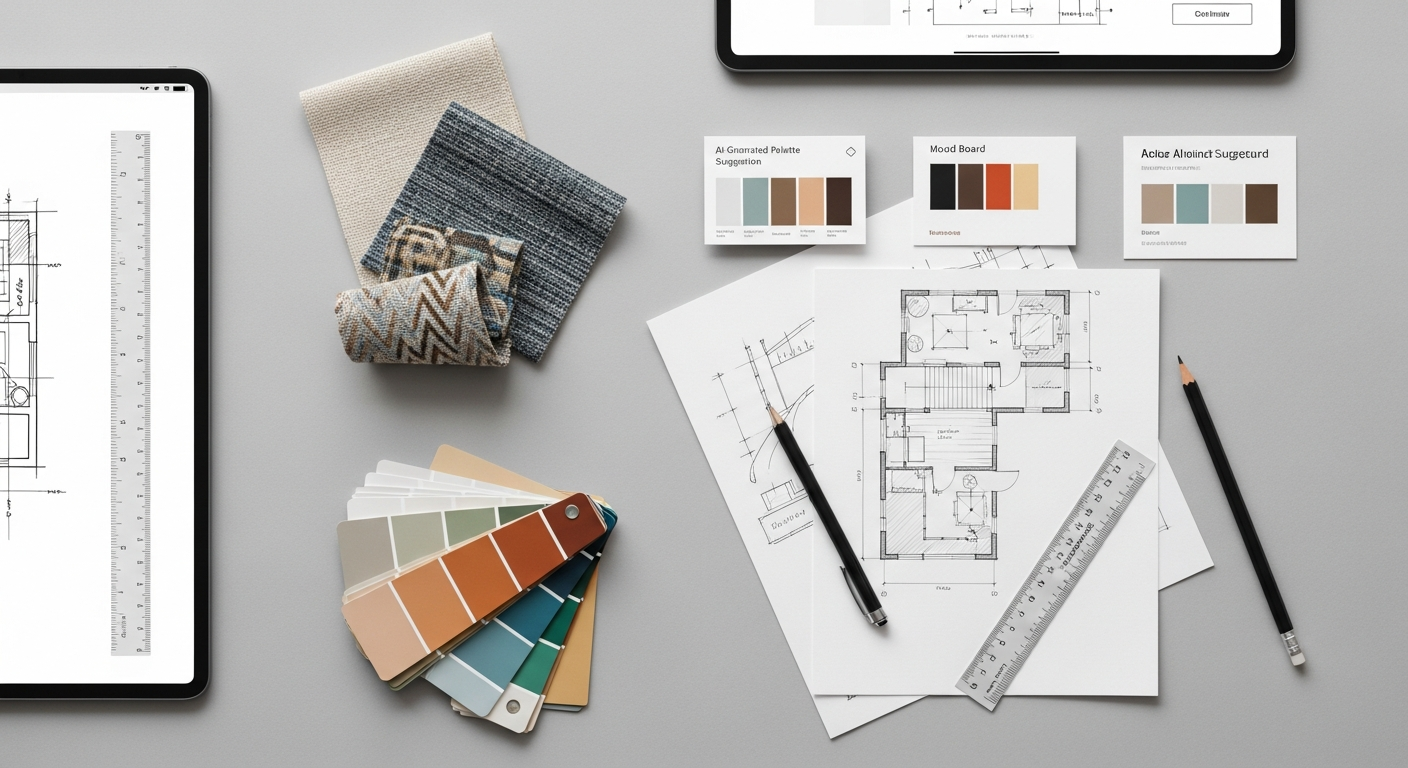
At the heart of the AI design revolution are tools specifically engineered to enhance the creation of user interfaces, user experiences, and compelling visual assets. These tools are transforming how designers approach everything from initial concept to final polish, streamlining workflows and opening up new avenues for creative expression.
AI for UI/UX Prototyping and Wireframing
In the realm of UI/UX, AI is proving to be a game-changer, fundamentally altering how designers conceptualize and iterate on user interfaces. By 2026, AI-powered prototyping tools will be capable of translating natural language descriptions or even rough sketches into fully interactive wireframes and high-fidelity mockups with astonishing speed and accuracy. These tools leverage vast datasets of successful UI patterns and user behaviors to suggest optimal layouts, component placements, and navigation flows.
One of the most significant advantages here relates directly to What Is UX Design And Why It Matters. AI can analyze user research data, behavioral analytics, and accessibility guidelines in real-time to generate design recommendations that are inherently user-centric. This means designers can spend less time on repetitive layout tasks and more time on strategic problem-solving and understanding deeper user needs. AI can simulate user journeys, predict usability issues, and even conduct basic A/B testing on different design variations before a single line of code is written. This not only accelerates the design process but also elevates the overall quality and consistency of the user experience, making AI an indispensable partner in crafting truly impactful digital products.
AI-Powered Graphic Design and Visual Asset Creation
The visual aspect of design has perhaps seen the most dramatic and publicly visible impact of AI. By 2026, AI graphic design tools will have matured to an incredible degree, offering sophisticated capabilities
Recommended Resources
Check out Best Budget Smartphones 2026 on Bookmark Sharer for a deeper dive.
Explore What Is A Tech Stack And How To Choose One for additional insights.