Embarking on a career in video game design is an exciting prospect, blending creativity, technology, and storytelling into an interactive art form. For many, it represents the ultimate dream job, a chance to shape worlds, craft compelling narratives, and build experiences that resonate with millions. However, like any highly sought-after industry, breaking into game design requires dedication, strategic planning, and a deep understanding of what the role truly entails. Whether you’re a seasoned developer in another field looking to pivot, a recent graduate brimming with ideas, or someone simply passionate about games and eager to contribute, this comprehensive guide will equip you with the practical advice and actionable tips you need to navigate your path into the dynamic world of video game design by 2026.
Understanding the Landscape: What is Video Game Design?
Before diving into how to break in, it’s crucial to understand what “video game design” truly encompasses. Many aspiring professionals often confuse game design with game art or game programming, while in reality, it’s a distinct discipline that bridges the gap between creative vision and technical execution. Game designers are the architects of the player experience. They conceptualize game mechanics, systems, levels, narratives, and user interfaces, ensuring that all elements work together cohesively to create an engaging and fun product.
- Systems Designer: Focuses on the underlying rules, mechanics, and economic models of a game. They define how combat works, how progression is achieved, or how resources are managed.
- Level Designer: Creates the playable spaces within a game, from dungeons and cities to open-world landscapes. They are responsible for pacing, challenge, and guiding the player through the environment.
- Narrative Designer: Crafts the story, lore, characters, and dialogue. They ensure the narrative is integrated seamlessly with gameplay and enhances the player’s emotional journey.
- UI/UX Designer: Specializes in the user interface (UI) and user experience (UX). They design menus, HUDs, and control schemes, ensuring the game is intuitive, accessible, and enjoyable to interact with.
- Technical Designer: Often acts as a bridge between design and programming, implementing design features directly in game engines, prototyping mechanics, and scripting events.
- Content Designer: Focuses on creating specific game content, such as quests, items, or enemy encounters, often within existing systems.
Understanding these distinctions is vital because it helps you identify which area best aligns with your skills and passions. Just as an interior designer might specialize in residential, commercial, or hospitality spaces, a game designer will find their niche. The video game industry is a collaborative environment, requiring designers to work closely with artists, programmers, producers, and quality assurance testers. Strong communication skills and the ability to articulate your vision clearly are paramount, as is the capacity for iterative design – constantly refining and improving your ideas based on feedback and playtesting.
Building Your Foundation: Education and Core Skills
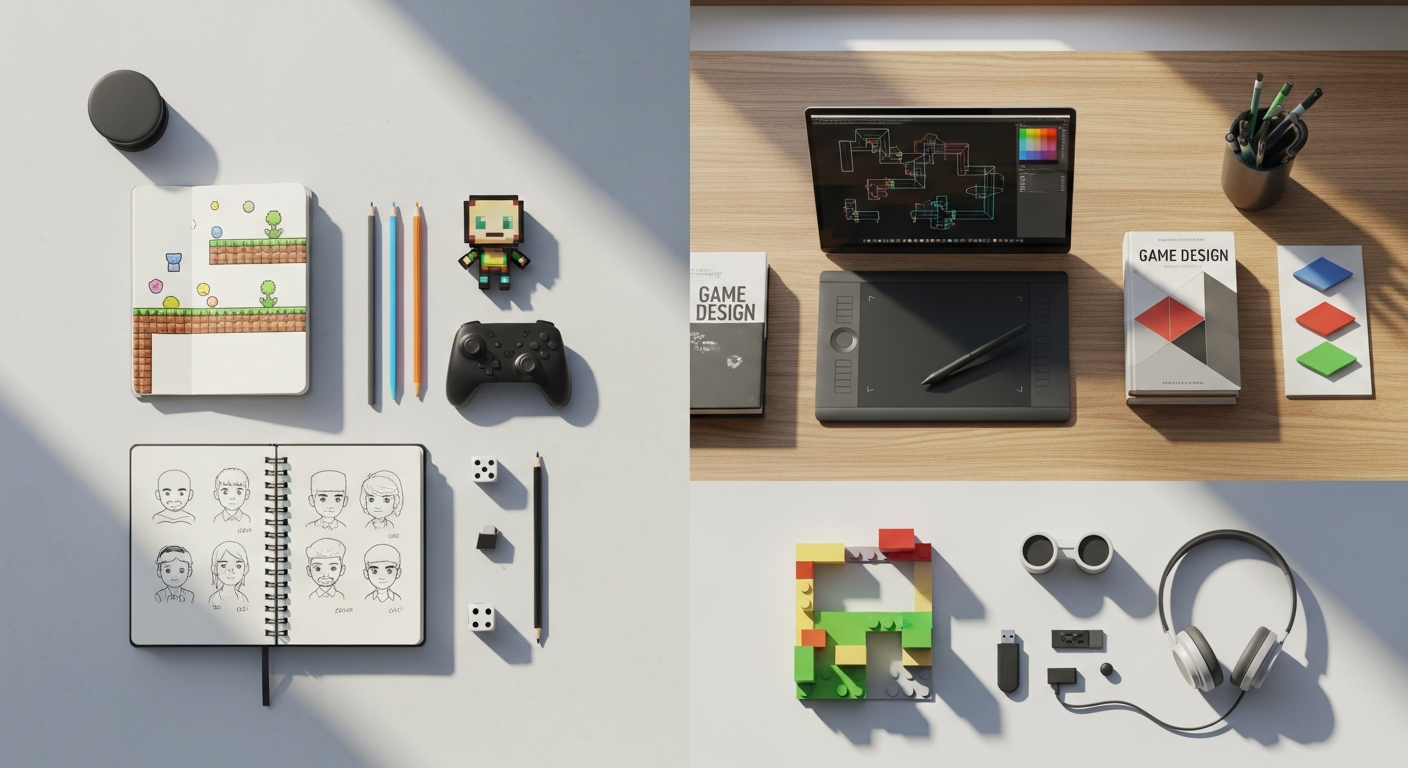
While a traditional degree isn’t always a strict requirement, a solid educational foundation can significantly boost your chances of breaking into the industry. By 2026, the landscape of game design education offers numerous pathways, from formal university programs to self-taught online courses.
Formal Education:
Many universities and colleges now offer specialized degrees in game design, game development, interactive media, or computer science with a game development focus. These programs provide structured learning, access to industry-standard tools, and opportunities for collaborative projects. A degree can offer a comprehensive understanding of design principles, game engines (like Unity or Unreal Engine), programming logic, art pipelines, and project management. Moreover, it often provides valuable networking opportunities with faculty who have industry experience and peers who will become your future colleagues.
Self-Learning and Online Resources:
For those unable or unwilling to pursue a formal degree, the internet offers an unparalleled wealth of self-learning resources. Platforms like Coursera, Udemy, edX, and GameDev.tv provide courses on specific engines, design principles, scripting languages (C#, C++), and even full game development pipelines. YouTube tutorials, industry blogs, and GDC (Game Developers Conference) vault talks are also invaluable for continuous learning. The key here is discipline and self-motivation. Treat your self-education with the same rigor as a formal program.
Essential Core Skills for Game Designers:
Regardless of your educational path, certain core skills are indispensable for any aspiring game designer:
- Analytical and Critical Thinking: The ability to deconstruct games, understand why certain mechanics work (or don’t), and analyze player behavior is crucial.
- Problem-Solving: Game design is inherently about solving problems – how to make a level fun, how to balance gameplay, how to guide a player.
- Communication (Written and Verbal): You’ll constantly be articulating your ideas, writing design documents, and giving and receiving feedback. Clear, concise communication is a superpower.
- Creativity and Innovation: While not every game reinvents the wheel, the ability to generate novel ideas and approach design challenges from fresh perspectives is highly valued.
- Technical Proficiency: While not expected to be a master programmer, designers need a working knowledge of game engines (Unity, Unreal Engine), scripting (C#, Blueprint), and prototyping tools. This allows you to rapidly test ideas and communicate effectively with engineers.
- Empathy: Understanding your target audience and designing experiences that resonate with them is at the heart of good game design.
- Iteration and Adaptability: Game development is an iterative process. Be prepared to test, fail, learn, and refine your designs repeatedly. The ability to adapt to changing requirements and feedback is vital.
- Understanding of Game History and Theory: A deep appreciation for classic games and an understanding of game design theories will provide a strong foundation for your own work.
Just as understanding “3 ways to improve the functionality of your bathroom” requires an appreciation for user flow, space utilization, and practical solutions, game design demands a similar methodical approach to player experience, system logic, and interactive problem-solving. Cultivating these skills actively through personal projects and dedicated study will lay a robust foundation for your career.
Crafting Your Portfolio: Your Digital Identity
In the competitive world of game design, your portfolio is your most powerful tool. It’s not just a collection of your work; it’s a curated showcase of your skills, creativity, and design philosophy. Recruiters and hiring managers want to see what you can
do
, not just what you know. By 2026, a strong, well-presented portfolio is non-negotiable for breaking into the industry.
What to Include:
- Game Jams & Prototypes: Short, focused projects created during game jams (e.g., Ludum Dare, Global Game Jam) are excellent. They show your ability to work under pressure, collaborate, and rapidly iterate on ideas. Clearly articulate your specific contributions.
- Personal Projects: Even small, incomplete personal projects can be valuable. Did you design a unique combat system? Prototype a new movement mechanic? Create a compelling puzzle? Showcase these.
- Level Designs: If you’re aiming for a level design role, include levels you’ve built in engines like Unity, Unreal, or even modding tools for existing games (e.g., Doom, Skyrim, Far Cry map editor). Provide walkthrough videos and detailed explanations of your design choices.
- Design Documents: Excerpts from Game Design Documents (GDDs), system design outlines, or narrative breakdowns. Don’t upload an entire 100-page GDD; instead, highlight key sections that demonstrate your analytical thinking and ability to articulate design.
- UI/UX Mockups & Wireframes: If UI/UX design is your focus, include examples of user flows, wireframes, and mockups you’ve created for games. Explain your design rationale.
- Modding Projects: Modifying existing games to introduce new mechanics, levels, or content is a fantastic way to learn engine tools and apply design principles. Clearly explain what you changed and why.
- Critical Analysis: While not a “project,” including a well-written critical analysis of an existing game or mechanic can demonstrate your analytical skills and understanding of design theory.
Presenting Your Work Effectively:
A well-organized and visually appealing presentation is just as important as the content itself. Think of it like “Are you ready to enhance your home?” – you want to present your best work in the most attractive and functional way possible.
- Dedicated Website: A personal website is the professional standard. It allows you to control the presentation and provide context for each project.
- Video Walkthroughs: For playable projects (games, levels, prototypes), include short, high-quality video walkthroughs. Don’t just show gameplay; narrate your design choices and challenges.
- Clear Explanations: For every project, clearly state your role, the tools you used, the design challenges you faced, your solutions, and what you learned. Quantify your impact where possible.
- Focus on Quality over Quantity: It’s better to have 3-5 polished, well-documented projects than a dozen half-finished ideas.
- Tailor to the Role: If you’re applying for a systems designer role, highlight projects that showcase your understanding of mechanics and rules. If it’s for narrative, emphasize storytelling and world-building.
Your portfolio is your story. It tells prospective employers not just what you’ve done, but who you are as a designer. Invest significant time and effort into making it shine, continuously updating it with your latest and best work.
Networking and Community Engagement: Building Your Tribe
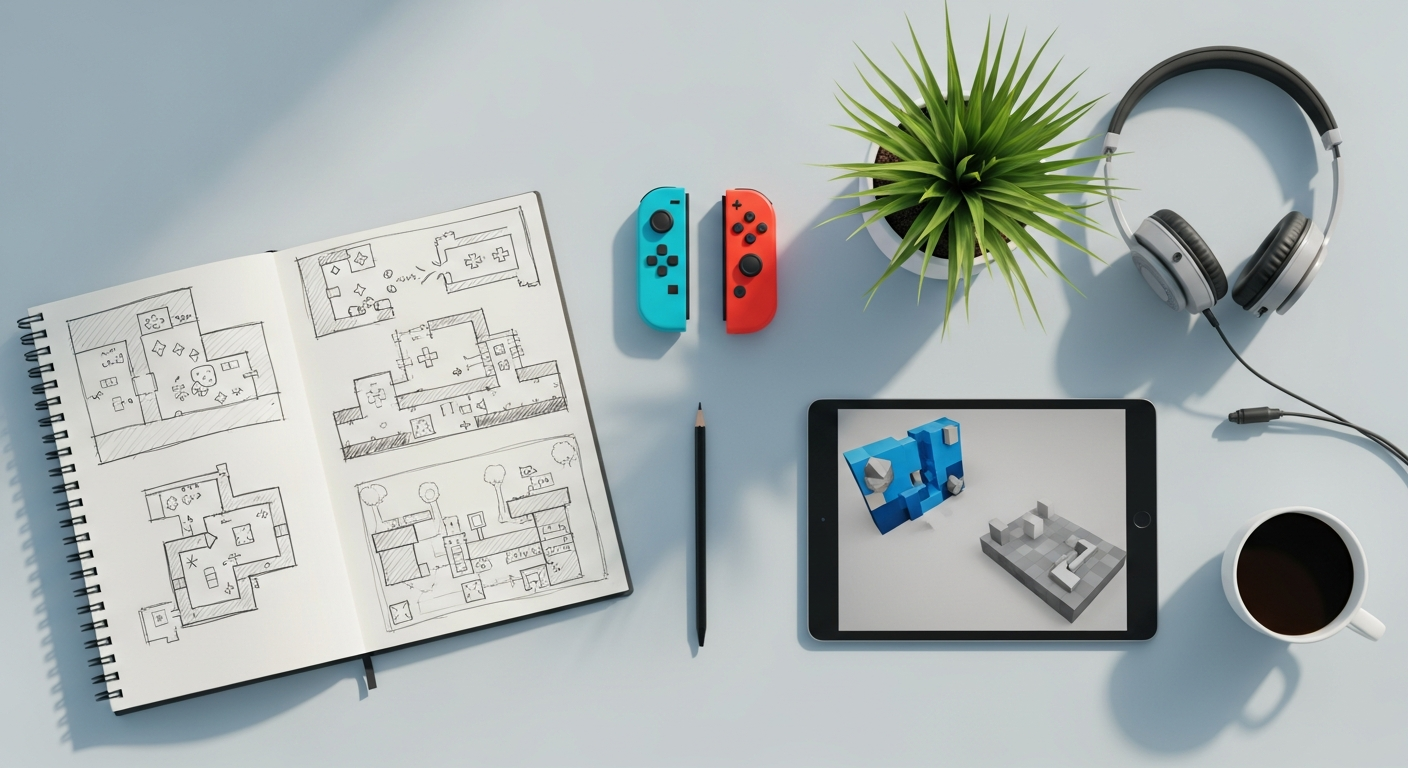
The adage “it’s not what you know, but who you know” holds significant truth in the video game industry. Networking is about building genuine relationships, learning from others, and opening doors to opportunities that might not be publicly advertised. By 2026, a strong professional network is an invaluable asset for any aspiring game designer.
Why Networking Matters:
- Hidden Job Market: Many positions are filled through referrals before they are ever posted publicly.
- Mentorship and Guidance: Connecting with experienced professionals can provide invaluable advice, feedback on your portfolio, and insights into career paths.
- Collaboration Opportunities: Networking can lead to collaborations on personal projects, game jams, or even indie game development.
- Industry Insights: Staying connected helps you keep abreast of industry trends, new technologies, and evolving design philosophies.
- Community Support: The game development community is often very supportive. Having a network provides a sense of belonging and a resource for problem-solving.
How to Network Effectively:
- Industry Events and Conferences: Attend major conferences like GDC, PAX Dev, or local game development meetups. These are prime opportunities to meet developers, attend talks, and showcase your portfolio. Even smaller, local events can be incredibly beneficial.
- Online Communities: Engage with online forums, Discord servers, subreddits (e.g., r/gamedev, r/gamedesign), and LinkedIn groups dedicated to game development. Contribute thoughtfully, ask questions, and share your insights.
- Social Media: Follow game studios, designers, and industry influencers on platforms like Twitter and LinkedIn. Engage with their content respectfully and professionally. Share your own progress and thoughts.
- Informational Interviews: Reach out to designers whose work you admire and politely request a brief informational interview (15-20 minutes). Prepare thoughtful questions about their career path, daily work, and advice for newcomers. Always respect their time.
- Be Genuine and Professional: Networking is about building authentic relationships, not just collecting business cards. Be curious, listen more than you speak, and offer help when you can. Always follow up with a polite thank-you.
- Show Your Work: When appropriate, be ready to briefly talk about your portfolio or show a quick demo. Your passion for design should be evident.
Remember, networking isn’t a one-time event; it’s an ongoing process. Nurturing your connections over time will yield significant benefits throughout your career. Just as neglecting “Things you should never neglect in your home” can lead to bigger problems, neglecting your professional network can limit your opportunities and growth in the long run.
Gaining Practical Experience: Internships, Modding, and Indie Projects
While education and a strong portfolio are crucial, practical, hands-on experience is what truly sets candidates apart. Employers want to see that you can apply your knowledge in real-world scenarios, collaborate effectively, and contribute meaningfully to a team. By 2026, there are multiple avenues for aspiring designers to gain this invaluable experience.
Internships:
Internships are one of the most direct ways to gain industry experience. They offer an opportunity to work within a professional studio environment, learn from seasoned developers, and understand the day-to-day realities of game development. Many internships are paid, and some even lead directly to full-time positions. Keep an eye on career pages of game studios, university career services, and industry job boards for internship listings.
- How to Find Them: Actively search company websites, LinkedIn, and specialized game industry job boards (e.g., Gamasutra, GamesIndustry.biz).
- Application Strategy: Tailor your resume and cover letter to each internship, highlighting relevant skills and projects. Your portfolio is especially critical here.
- What to Expect: Interns often assist with specific design tasks, contribute to prototyping, help with documentation, or conduct playtesting and feedback analysis. Be eager to learn and take initiative.
Modding Existing Games:
Modding is a fantastic, accessible way to gain practical design and technical experience. Many popular games (e.g., Skyrim, Fallout, Minecraft, Half-Life, Doom) come with robust modding tools that allow you to create new levels, characters, mechanics, or even entirely new gameplay experiences. This teaches you:
- Engine Familiarity: You’ll learn the intricacies of a game engine, asset pipelines, and scripting.
- Design Principles: You’ll apply level design, system design, and narrative design principles within an existing framework.
- Problem-Solving: Troubleshooting technical issues and making your mod compatible with the base game builds critical problem-solving skills.
- Community Engagement: Releasing mods often involves interacting with a player community, gathering feedback, and iterating on your work.
Showcasing a well-documented mod in your portfolio can demonstrate significant initiative and practical skill.
Participating in Game Jams:
Game jams are intense, time-limited events (typically 24-72 hours) where individuals or teams create a complete game from scratch based on a specific theme. They are invaluable for:
- Rapid Prototyping: Learning to quickly turn ideas into playable experiences.
- Teamwork and Collaboration: Working effectively with artists, programmers, and other designers under pressure.
- Scope Management: Learning to prioritize features and deliver a finished product within tight constraints.
- Networking: Meeting fellow developers and potential collaborators.
Even if your game jam project isn’t a masterpiece, the experience gained and the ability to talk about your contributions are highly valued.
Developing Personal Indie Projects:
Taking a game idea from concept to a playable prototype or even a full release on platforms like itch.io or Steam can teach you every aspect of game development. This includes:
- Holistic Design: Overseeing all aspects of design, from core mechanics to UI/UX and narrative.
- Project Management: Planning, scheduling, and managing tasks.
- Tool Proficiency: Deepening your skills with game engines, art tools, and audio software.
- Self-Motivation and Discipline: Seeing a project through to completion.
Even if your indie game doesn’t achieve commercial success, the experience and the finished product for your portfolio are immensely valuable. This hands-on creation is the ultimate way to demonstrate your passion and capability, much like a skilled craftsman showcasing their complete “Are you ready to enhance your home” project from start to finish.
The Job Hunt: Applications, Interviews, and Persistence
With your education, skills, portfolio, and experience in hand, the next step is actively seeking and securing your first role. The job hunt can be challenging, but with a strategic approach and persistence, you can significantly improve your chances by 2026.
Tailoring Your Applications:
- Customize Your Resume and Cover Letter: Never send a generic application. Research the company and the specific role. Highlight relevant skills and experiences that align with their job description. If they mention Unreal Engine, ensure your resume emphasizes your Unreal proficiency.
- Showcase Your Portfolio Prominently: Your portfolio link should be easily accessible on your resume and cover letter. Make sure it’s polished and highlights the work most relevant to the role you’re applying for.
- Keywords are Key: Many companies use Applicant Tracking Systems (ATS). Ensure your resume includes keywords from the job description to pass initial screening.
Interview Preparation:
Game design interviews can range from technical assessments to creative challenges. Prepare for various types:
- Behavioral Questions: “Tell me about a time you failed,” “How do you handle feedback?” Practice answering using the STAR method (Situation, Task, Action, Result).
- Technical Questions: Expect questions about game engines, scripting, design patterns, or specific tools mentioned in your resume. Be honest about your proficiency but also demonstrate a willingness to learn.
- Design Challenges: You might be asked to design a mechanic on the spot, improve an existing game system, or analyze a specific game. Practice thinking out loud, articulating your design process, and considering pros and cons.
- Portfolio Review: Be prepared to walk through your portfolio projects, explaining your contributions, design decisions, challenges, and lessons learned.
- Ask Thoughtful Questions: At the end of the interview, always have intelligent questions prepared for the interviewer. This shows your engagement and genuine interest in the role and company.
Persistence and Handling Rejection:
The game industry is competitive, and rejection is a part of the process. Don’t let it discourage you. Each “no” is an opportunity to learn and refine your approach.
- Seek Feedback: If possible, politely ask for feedback on your application or interview performance. Not all companies provide it, but when they do, it’s invaluable.
- Iterate and Improve: Use feedback to improve your portfolio, refine your interview answers, or acquire new skills.
- Keep Applying: It’s a numbers game. Continue applying to relevant positions, networking, and honing your craft.
- Consider Entry-Level Roles: Your first role might not be your dream job, but an Associate Designer, QA Tester, or Production Assistant role can be a fantastic way to get your foot in the door and learn the ropes from within.
Remember, success often comes to those who are persistent and adaptable. Just as “3 ways to improve the functionality of your bathroom” might involve small, iterative changes to achieve a better outcome, your job hunt will benefit from continuous refinement and a resilient mindset.
Continuous Growth: Staying Relevant in a Dynamic Industry
Breaking into the video game design industry is a significant achievement, but the journey doesn’t end there. The industry is constantly evolving, with new technologies, genres, and design paradigms emerging regularly. To thrive and build a long-term career, continuous learning and adaptability are paramount by 2026 and beyond.
Embrace Lifelong Learning:
- Stay Current with Trends: Follow industry news outlets (e.g., Gamasutra, GamesIndustry.biz, IGN, Polygon), play new releases across different genres and platforms, and analyze what makes them successful or challenging.
- Learn New Tools and Technologies: Game engines like Unity and Unreal are constantly updated, and new tools for prototyping, art, and programming emerge. Dedicate time to learning new software or improving your proficiency with existing ones.
- Deepen Your Specialization: Once you’ve found your niche (e.g., systems design, narrative design), continue to study advanced concepts, read academic papers, and engage with experts in that specific field.
- Broaden Your Horizons: While specializing is good, having a foundational understanding of other disciplines (programming, art, audio) will make you a more well-rounded and collaborative designer.
Seek and Apply Feedback:
Even as an experienced designer, feedback is crucial for growth. Actively seek constructive criticism on your work from colleagues, mentors, and playtesters. Learn to differentiate between valid feedback and personal preference, and use it to iterate and improve your designs.
Mentor Others and Share Knowledge:
As you gain experience, consider mentoring aspiring designers. Teaching others not only helps the community but also solidifies your own understanding of design principles and leadership skills. Contribute to online forums, speak at local meetups, or write articles about your experiences.
Maintain Your Network:
Continue to nurture the professional relationships you’ve built. Your network will be a source of collaboration, new opportunities, and invaluable support throughout your career.
Reflect and Set Goals:
Regularly reflect on your career trajectory, identify areas for improvement, and set new professional and personal development goals. What kind of games do you want to work on? What skills do you want to master? How can you contribute more meaningfully to your team or the industry?
The journey into video game design is a marathon, not a sprint. It demands passion, perseverance, and a commitment to continuous self-improvement. By diligently following these tips, focusing on building a strong foundation, creating an impressive portfolio, actively networking, gaining practical experience, and maintaining a growth mindset, you will be well-equipped to break into and thrive within this exhilarating industry by 2026. Your dedication will not only open doors but also allow you to shape the interactive entertainment experiences of the future, much like an interior designer meticulously crafts spaces that enhance daily life.
Frequently Asked Questions
Recommended Resources
Learn more about this topic in How To Build A Founding Team For Your Startup at Eamped.
Check out How To Use Chatgpt For Productivity At Work on Bookmark Sharer for a deeper dive.